
In today’s competitive business environment, customers are exposed to countless brands every day. From websites and social media posts to advertisements, emails, presentations, and mobile experiences, businesses are constantly competing for attention. In such an environment, having a strong and recognizable identity is essential.
This is where visual branding becomes important.
Visual branding is more than designing an attractive logo. It is about creating a complete visual language that communicates who a business is, what it represents, and how it wants to be perceived. Colors, typography, imagery, graphics, website design, and marketing materials all contribute to a company’s overall visual identity.
For businesses operating in an increasingly digital marketplace, investing in a strong visual brand identity can help create recognition, consistency, and a more professional customer experience.
What Is Visual Branding?
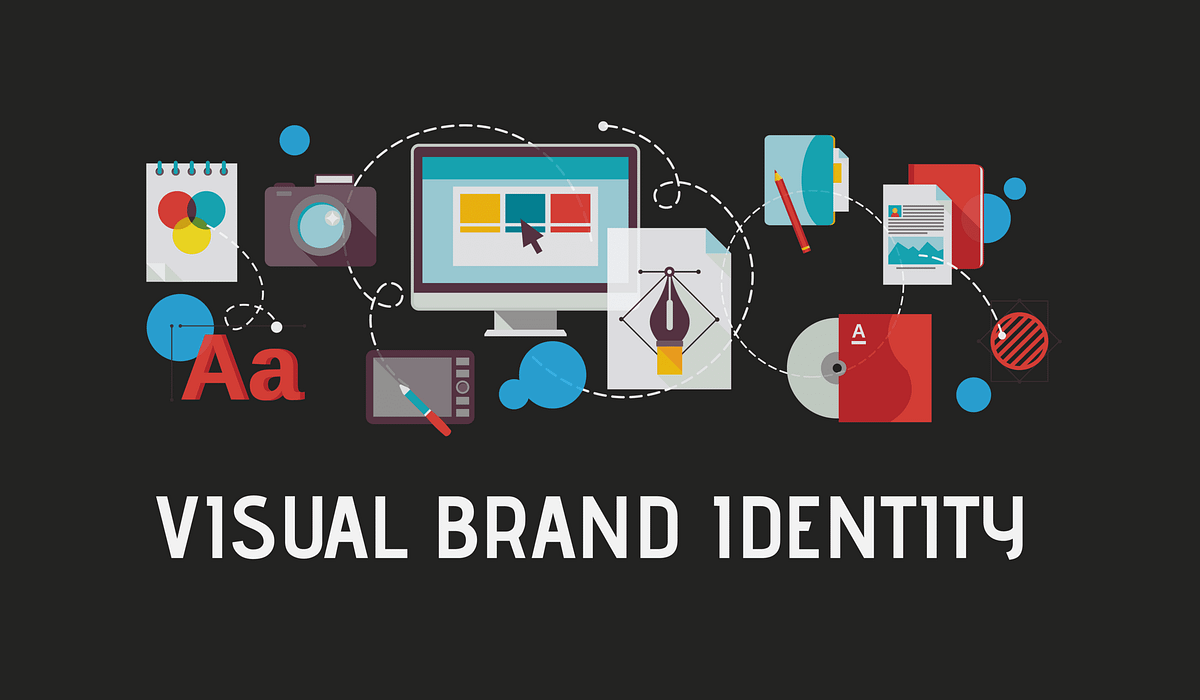
Visual branding refers to the visual elements used to represent a business and communicate its identity to customers. These elements can include logos, colors, typography, photography, illustrations, icons, layouts, graphics, and website design.
Together, these components create a company’s business visual identity.
A successful visual identity should reflect the personality and positioning of the business while remaining relevant to its target audience.
For example, a technology company may choose a modern and clean design approach, while a creative business may use more expressive colors and imagery. The objective is not simply to make a business look attractive but to create visuals that communicate its identity effectively.
Why Is Visual Branding Important?
The importance of visual branding has increased significantly because businesses now interact with customers through many different channels.
A customer may discover a business through Google, visit its website, see one of its social media posts, receive an email, and later encounter an advertisement. Each of these interactions contributes to the customer’s perception of the company.
A consistent visual identity connects these experiences.
1. It Creates a Strong First Impression
A company’s visual presentation is often one of the first things a potential customer notices.
An outdated website, inconsistent graphics, or low-quality visuals can create an unprofessional impression. In contrast, professional branding can help communicate organization, attention to detail, and credibility.
This is particularly important for businesses that depend on digital platforms to attract customers.
2. It Strengthens Brand Recognition
Recognition develops through consistency and repetition.
When customers repeatedly see the same logo, colors, typography, imagery, and design style, they can begin to associate these elements with a particular company.
This is why brand consistency is such an important part of branding.
A business does not need every piece of content to look identical. Instead, its core visual elements should remain recognizable across different platforms.
3. It Helps Businesses Stand Out
Many businesses operate in crowded markets where competitors may offer similar products and services.
A distinctive visual identity design can help a company establish its own presence.
Standing out does not necessarily mean using complicated or unusual designs. A clear, relevant, and memorable visual system can be more effective than an overly complicated one.
Visual Branding and Digital Marketing
Digital marketing has made visual communication more important than ever.
Social media platforms, websites, online advertisements, email campaigns, and digital content all rely heavily on visuals.
A strong digital brand identity allows businesses to maintain a consistent appearance across these channels.
For example, a company can use its established typography, colors, imagery, and graphic style in social media posts and website banners. Customers can then recognize the business more easily as they encounter it online.
This makes visual branding an important component of modern branding strategies.
Visual Identity Is More Than a Logo
One of the most common misunderstandings about branding is that a logo represents the entire brand.
A logo is important, but it is only one part of brand identity design.
A complete visual identity may include:
Logo and logo variations
Brand color palette
Typography
Photography style
Icons
Illustrations
Social media templates
Website design
Presentation templates
Marketing graphics
Advertising layouts
Brand guidelines
When these elements are designed as part of one system, they can create a more cohesive brand experience.
The Role of Visual Communication
Businesses often need to communicate complex information.
They may need to explain services, products, processes, features, benefits, or company information. Simply adding more text is not always the most effective approach.
Strong visual communication can help organize information and make it easier to understand.
Typography, spacing, icons, graphics, imagery, and layouts can guide customers through information and highlight important messages.
This is especially useful for technology companies and B2B businesses that need to communicate detailed offerings in a clear and professional way.
Visual Branding Builds Professionalism
Customers often use a company’s appearance as one of many signals when evaluating it.
Consistent design across a website, social media pages, proposals, presentations, and marketing materials can create a more professional experience.
This does not mean that visual branding alone creates customer trust. However, a well-organized visual identity can support a company’s broader credibility and communication efforts.
For businesses working with corporate clients, professional corporate branding can be particularly valuable.
Common Visual Branding Mistakes
Businesses can weaken their identity through inconsistent design choices.
Some common mistakes include:
Using too many fonts
Changing brand colors frequently
Using different logo styles
Posting unrelated graphic designs
Using low-quality images
Creating materials without brand guidelines
Designing only for appearance instead of communication
Another common mistake is trying to follow every design trend.
A business should develop an identity that remains relevant while still allowing room for modern updates.
How to Build a Strong Visual Brand Identity
Creating a strong identity requires a strategic approach.
First, businesses should understand their audience, industry, competitors, values, and positioning.
Next, they can establish their core visual elements, including colors, typography, imagery, and graphic styles.
These elements should then be applied across the company’s digital and physical touchpoints.
Creating brand guidelines can help ensure consistent brand identity as different teams and designers create new materials.
Regular reviews are also useful because businesses evolve over time.
How MetaWeb Labs Can Help
A strong visual identity works best when it is supported by a professional digital presence.
MetaWeb Labs can help businesses strengthen their online presence through digital and web solutions that support modern business communication.
For a company developing a new website or improving its existing digital presence, visual branding can be incorporated into the overall digital experience.
A professionally designed website should reflect the company’s visual identity through its typography, colors, imagery, layouts, and overall user experience.
By connecting visual identity design with digital solutions, businesses can create a more consistent experience for their customers.
The Future of Visual Branding
As businesses continue to move their operations and communication online, visual branding will remain important.
Customers will continue to interact with brands through websites, social media, mobile experiences, video content, advertisements, and emerging digital platforms.
This means businesses need identities that are flexible enough to work across different formats while remaining recognizable.
A strong visual brand identity provides the foundation for this flexibility.
Conclusion
Visual branding has become an important part of modern business communication.
It can help businesses create stronger recognition, maintain consistency, communicate professionalism, differentiate themselves, and improve the overall customer experience.
From logos and colors to websites and social media graphics, every visual element contributes to the way a business is presented.
Businesses that invest in professional visual branding can build a clearer and more recognizable identity across multiple channels.
With the right combination of strategy, creativity, and digital execution, a visual identity can become a valuable part of a company’s long-term brand presence.
Meta Web Labs can help businesses build a stronger digital presence by combining professional digital solutions with a consistent approach to online communication and brand presentation.